









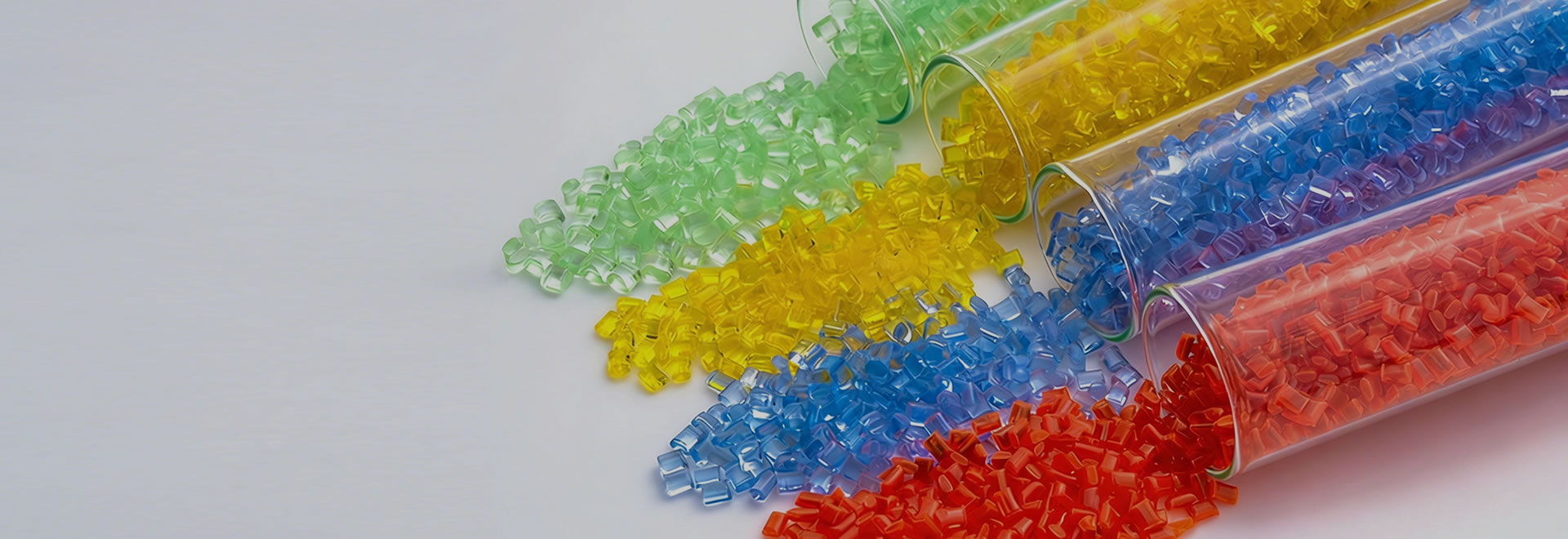

According to the different polymerization methods, PP plastics can be divided into isotactic polypropylene, syndiotactic polypropylene and atactic polypropylene. Among them, isotactic polypropylene is the most common one, and the methyl groups (-CH) on its molecular chain are arranged on the same side, which makes it have higher crystallinity and thus better physical and chemical properties.
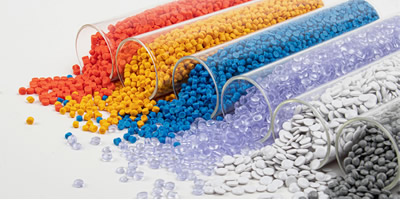
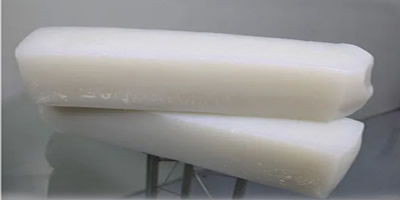
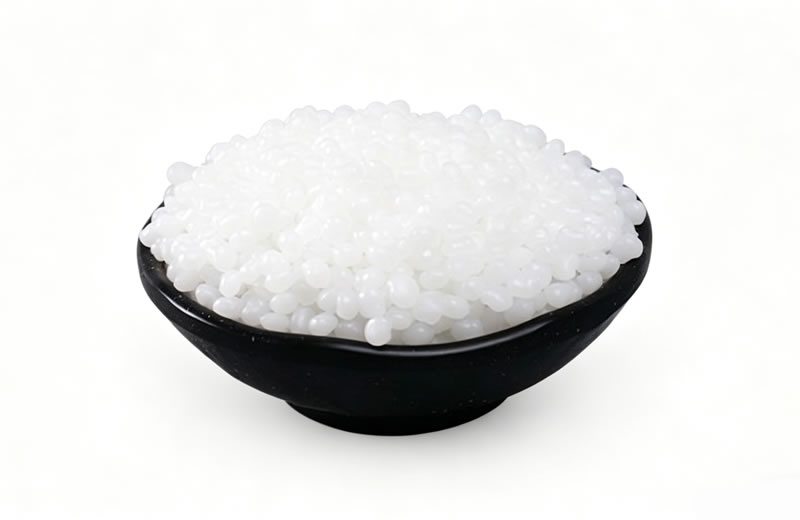
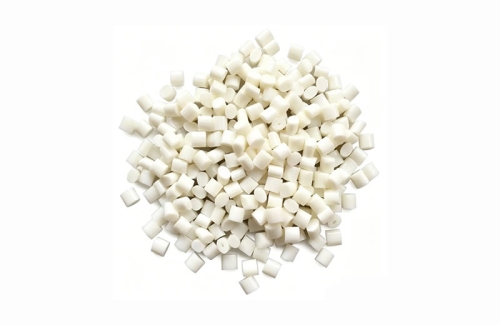
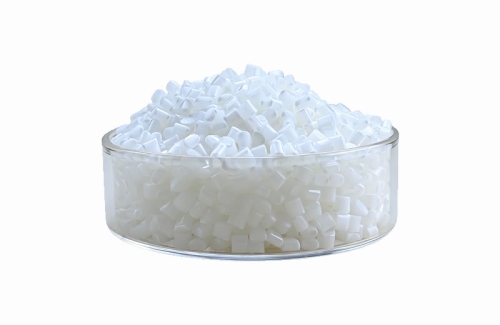
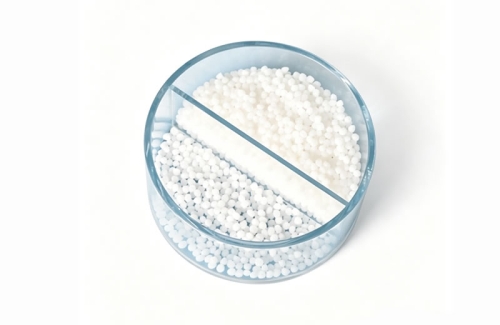
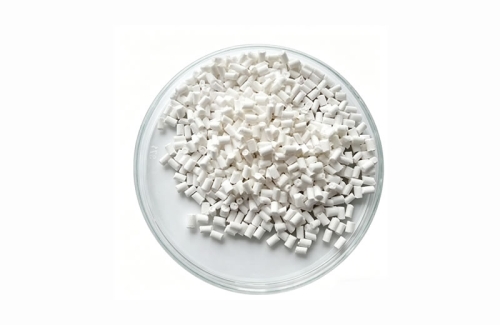
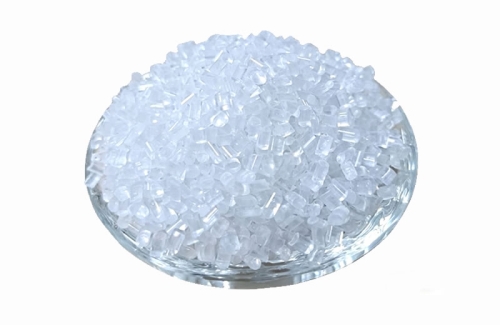
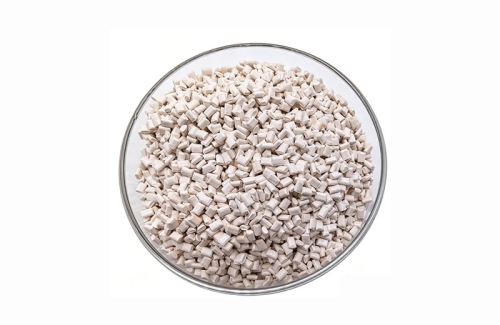
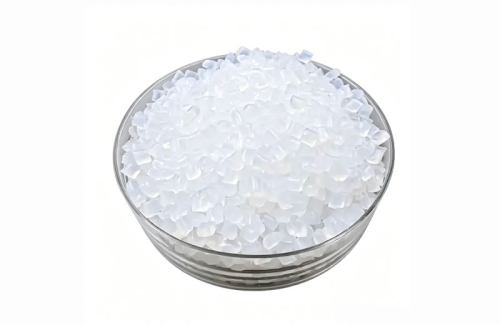
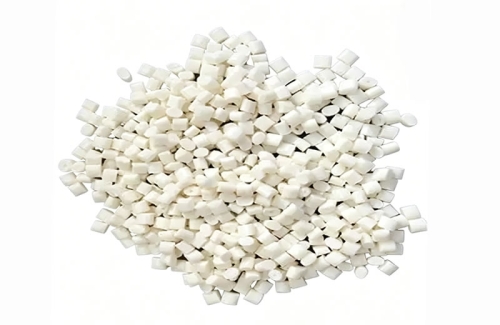
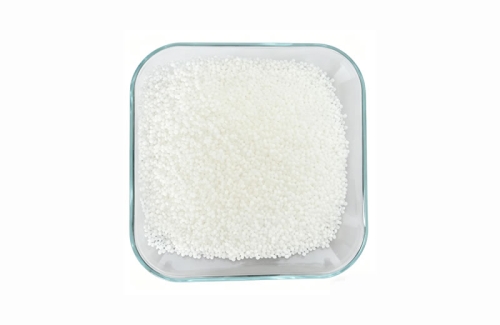
PP plastic is usually white, translucent granular material. It has a low density, about 0.89 - 0.91g/cm³, and is one of the lightest varieties of all plastics. PP plastic has good heat resistance, the melting point is generally between 164 - 170 ℃, can be used in a certain high temperature environment. It also has excellent chemical stability and has good resistance to most chemicals (such as acids, alkalis, etc.), but it is not resistant to strong oxidants. In addition, PP plastic has good toughness and rigidity, good fatigue resistance and bending resistance.




 WeChat