Is water soluble polyurethane plugging agent toxic?
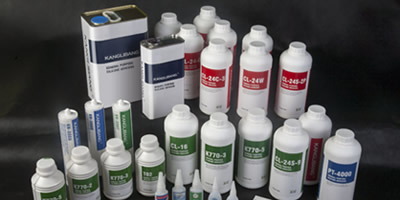
Water-soluble polyurethane plugging agent is usually a chemical substance, which may have certain toxicity in itself. However, in normal use and operation, this plugging agent usually does not cause serious health hazards to the human body. However, if the human body touches or inhales this substance for a long time, or does not take appropriate protective measures during the operation, it may cause certain harm to the human body, such as irritating the skin, eyes, and respiratory tract.
Therefore, when using water-soluble polyurethane plugging agent, it is necessary to take some basic protective measures, such as wearing gloves, masks, goggles, etc. In addition, if you come into contact with this substance, you should immediately rinse the contaminated skin or eyes with water and seek medical advice immediately.
In short, when using water-soluble polyurethane plugging agent, it is necessary to take appropriate protective measures and comply with relevant operating procedures and safety guidelines to ensure its own safety and health.
How does water-based neoprene latex improve wet adhesion?
Waterborne neoprene latex is a commonly used adhesive with good initial and dry adhesion. However, in a humid environment, its adhesion may be affected. The following are some ways to improve the wet adhesion of water-based neoprene latex:
1. Adjust the formula: You can improve the wet adhesion by changing the formula. For example, increasing the amount of crosslinking agent makes the latex more crosslinked, thereby increasing its wet adhesion.
2. Increase the amount of adhesive: The adhesive can increase the adhesion of the latex to the substrate, thereby improving its wet adhesion.
3. Control the amount of coating: an appropriate increase in the amount of coating can increase the wet adhesion of the latex, but excessive coating will lead to a longer drying time of the latex, affecting the efficiency of use.
4. Control humidity: In a humid environment, you can use a dehumidifier or desiccant to control humidity, thereby reducing the impact of moisture on the latex.
5. Use moisture-proof agent: Adding moisture-proof agent to latex can reduce the influence of moisture on latex and improve wet adhesion.
It should be noted that the above method can increase the wet adhesion of the aqueous neoprene latex, but it may also affect its drying speed, high temperature resistance and other properties. Therefore, it is necessary to choose according to the specific situation when using.
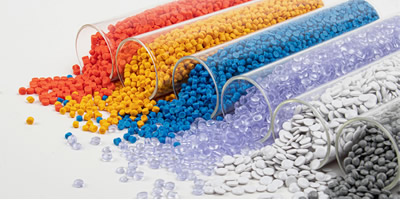
What is modified plastic particles? What are the common modifications?
On the basis of general plastics, additives are added to modify: reinforcement (glass fiber), toughening, flame retardant, UV resistance, weather resistance, antistatic, thermal conductivity, electrical conductivity, etc.
What are plastic particles? Is it the same thing as plastic raw materials?
Plastic particles (plastic particles) is a granular product of plastic raw materials after melting and granulation. It is a standard raw material for injection molding, extrusion, blow molding and other processing. Usually, plastic raw materials refer to particles.
What are the key indicators when purchasing rubber and plastic materials?
Hardness (Shore A/C), tensile strength, elongation at break, density, temperature resistance, flame retardant grade, environmental certification, compression set, abrasion resistance.
Rubber and plastic materials are generally used in what areas?
Seals, insulation pipes, floor mats, non-slip mats, sports equipment, toys, auto parts, wire and cable sheathing, pipe insulation, luggage lining, building sealing strips, etc.
What are the main types of rubber and plastic materials?
Common: EVA, NBR nitrile rubber, SBR styrene butadiene rubber, CR neoprene, TPR/ TPE thermoplastic elastomer, PVC rubber, silicone rubber, fluorine rubber, ethylene propylene rubber (EPDM), natural rubber, etc.
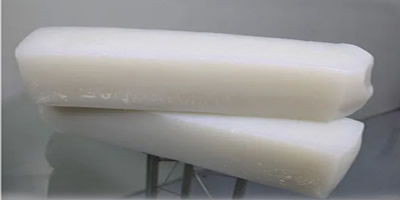
What is rubber and plastic material? What is the difference with rubber and plastic?
Rubber and plastic material is a composite material modified by rubber and plastic, which has the elasticity of rubber and the strength and processability of plastic. Rubber is soft and elastic, plastic is hard and stiff, and rubber and plastic are in.















 WeChat