1. performance requirements
Mechanical properties
Strength and stiffness: If parts need to withstand large static or dynamic loads, such as automobile suspension parts or mechanical structural frames, engineering plastics with high tensile strength and bending modulus should be selected. For example, polyamide (PA) and polyoxymethylene (POM) have high strength and stiffness and are suitable for such applications.
Toughness and impact resistance: For parts that may be impacted, such as car bumpers or sports equipment, good toughness is required. Polycarbonate (PC) is known for its excellent impact resistance and is ideal for manufacturing this type of product.
Wear resistance: In the environment of friction and wear, such as bearings, gears, etc., priority should be given to wear-resistant engineering plastics. Polyamide (PA) is a commonly used material for the manufacture of these parts due to its self-lubricating properties and good wear resistance.
Thermal performance
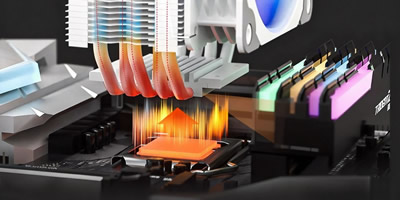
Use temperature range: If the parts will work in a high temperature environment, such as the parts near the engine or the heat sink of electronic equipment, you need to choose engineering plastics with high heat resistance. Specialty engineering plastics such as polyphenylene sulfide (PPS), polyimide (PI) and polyetheretherketone (PEEK) are stable at higher temperatures.
Thermal expansion coefficient: For components with high dimensional accuracy, such as precision instruments or optical equipment, engineering plastics with small thermal expansion coefficients should be selected to ensure dimensional stability during temperature changes.
Electrical performance
Insulation: Insulating parts used for electronic and electrical equipment, such as the insulating layer of wires and cables or electrical enclosures, require good electrical insulation. Polyphenylene oxide (PPO) and thermoplastic polyester (PET, PBT) and other engineering plastics have excellent electrical insulation properties.
Conductivity: In some special applications, such as antistatic materials or electromagnetic shielding materials, engineering plastics with certain conductivity may be required. This can be achieved by adding conductive fillers.
Chemical resistance
Corrosion resistance: In the manufacture of equipment in the chemical, pharmaceutical and other industries, it is necessary to choose engineering plastics that can withstand the corrosion of acids, alkalis, salts and other chemicals. Materials such as polyphenylene sulfide (PPS) and polytetrafluoroethylene (PTFE) are very resistant to most chemicals.
2. processing performance
Forming method
Injection molding: This is the most common processing method. If injection molding is used, the fluidity and shrinkage of engineering plastics need to be considered. Plastics with good fluidity, such as polycarbonate (PC) and polyoxymethylene (POM), are easier to fill complex mold cavities. The plastic with a small shrinkage rate helps to ensure the dimensional accuracy of the molded parts.
Extrusion molding: used in the manufacture of pipes, profiles and other products. For extrusion molding, engineering plastics need to have good melt strength and stability, such as thermoplastic polyester (PET, PBT) in the extrusion of pipe performance.
Molding: Some large or thick-walled parts may be molded. In this case, the moldability and curing characteristics of the engineering plastic under pressure are considered.
Processing cost
Cost of raw materials: The price of different engineering plastics varies greatly. General engineering plastics such as polyamide (PA) and polycarbonate (PC) are relatively cheap, while special engineering plastics such as polyether ether ketone (PEEK) are expensive. Under the premise of meeting the performance requirements, materials with lower cost should be selected as far as possible.
Processing efficiency: Processing speed and molding cycle also affect costs. Some engineering plastics have low processing temperature and short curing time, which can improve processing efficiency and reduce costs. For example, the glass transition temperature of PBT is low, the mold temperature can be rapidly crystallized at 50 ℃, the processing cycle is short, and the cost is relatively low.
3. application environment and regulatory requirements
Environmental adaptability
Weather resistance: For products for outdoor applications, such as building materials or automotive exterior parts, it is necessary to choose engineering plastics with good weather resistance to resist the erosion of natural factors such as ultraviolet rays, wind and rain. Polycarbonate (PC) and some modified engineering plastics perform better in weather resistance.
Moisture resistance: Products used in humid environments, such as underwater equipment or sanitary products, should consider the moisture resistance of engineering plastics. Some engineering plastics may experience performance degradation after moisture absorption, and it is necessary to select materials with low moisture absorption or carry out appropriate moisture-proof treatment.
Regulations and Standards
Environmental protection requirements: With the enhancement of environmental protection awareness, many industries have strict requirements on the environmental protection performance of engineering plastics. For example, the EU's RoHS directive restricts the use of certain hazardous substances in electrical and electronic products, and it is important to ensure compliance with relevant regulations and standards when selecting engineering plastics.
Industry standards and certification: Different industries have specific standards and certification requirements for engineering plastics. For example, the medical device industry has strict regulations on the biocompatibility of materials, and engineering plastics used in this field need to pass the corresponding biosafety tests.
4. product design and aesthetic requirements
Appearance and texture
If the product has higher requirements for appearance, such as consumer electronics or automotive interior parts, the gloss, color stability and surface texture of engineering plastics need to be considered. Some engineering plastics can obtain the desired appearance effect by adding pigments or surface treatment.
Design flexibility
The designability of engineering plastics is also an important factor. For example, complex shapes and structures can be manufactured by injection molding, which can realize lightweight and integrated design of products, and reduce the number of parts and assembly costs. In the product design stage, this advantage of engineering plastics should be fully considered, and suitable materials should be selected to achieve the design intent.














 WeChat